



















 The Big Book of Submission: 69 Kinky Tales



 Flying High: Sexy Stories from the Mile High Club











My proudest accomplishment of 2015
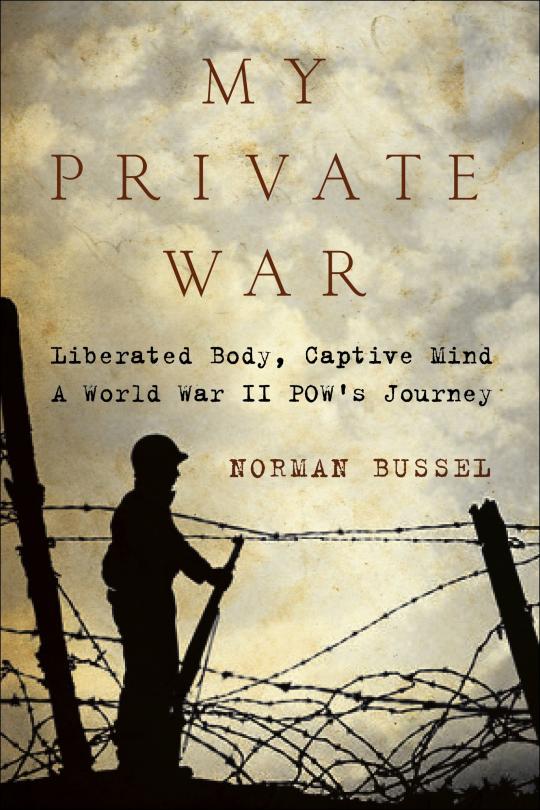
I achieved a lot in 2015, things I truly never though I could or would, and I will be recapping the highlights of this year's writing and editing on my blog in the next two days. But the accomplishment I'm most proud of is about my actions behind the scenes. I'd been encouraging my grandfather to write an op-ed about what's needed to help veterans, specifically those suffering from PTSD, an area he's a double expert in, based on his own experience as a POW in WWII (which you can read about in his memoir) and his work helping veterans file claims for benefits owed to them. Every time I would read about a similar issue in the news, I would let him know and gently nudge him to write something, but as I know well, nobody can ever "make" you write anything. That's not how our minds or creativity or impulses work.
So when I sold my hoarding essay to The Washington Post's Post Everything section, I realized the section might be a good fit for what I envisioned from my grandfather. I'd of course been reading Post Everything to get a feel for what they were looking for, and the more I read, the more that connection leapt out at me. I did something that gave me butterflies in my stomach, because it bordered on, and perhaps was, rude and unprofessional, but felt worth the risk: I asked my editor if she'd be open to him sending her a pitch. Specifically, I wrote:
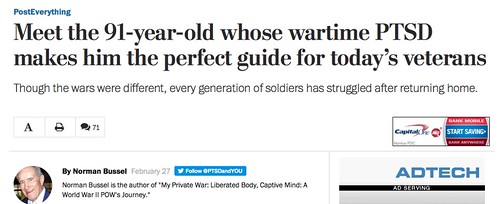
Also, can I pass your email address on to my grandfather? I know that sounds very "I have a friend who wants to be a writer" but I promise it's not. He's 91, wrote a memoir about being a POW in WWII and now helps recent veterans file PTSD related claims so has a fascinating, and sometimes heartbreaking, perspective. Yes, I'm biased, but I do genuinely think he has a unique take on it. I've been encouraging him to write an essay or op ed about the types of issues he sees, including addiction and alcoholism, homelessness, joblessness and how the VA and government could better serve these vets. Just didn't want you to think I'm passing around your info indiscriminately.I got an immediate, enthusiastic response, followed by another one, which I passed on to him, and he took it from there, and on February 27th, a few weeks after my essay was published, his essay "Meet the 91-year-old whose wartime PTSD makes him the perfect guide for today’s veterans" was published.
I really can't express how thrilled I was, because I believe his story is unique and relevant to what's happening in the world today, two qualities I look for when I teach writing classes and whenever I say to someone "You should write an essay about that." It's an oft-repeated refrain from me, but again, I get the sense that many who have brilliant essays lurking inside them are hesitant to unearth them, which is understandable. It can be emotionally challenging, heart wrenching work, especially work done on spec ("on speculation," meaning without guarantee of publication or payment). It can seem overwhelming to cram what feels like your life story into 700 or 800 or 1,000 or 1,200 words, or even into 2,000 or 3,000 words. But what about this thing that happened, and that thing? Aren't they important? It can feel treacherous to be pushed to delve deeper into certain areas, or leave others out. And that's all before a piece is even published; once it is, you're subject to the whims of anyone who wants to comment in any way at all, good, bad, indifferent, rude, ill informed, etc.
But I'm not here to detail the umpteen reasons why people might not want to write about their lives; I know them intimately, and likely, you do too. I'm here to tell you that I felt so overjoyed that my instincts had been right, that the response my grandfather received was incredibly positive, warm and welcoming, precisely because, in my opinion, he did not shy away from his own darkest times, his own suffering, but he also showed how he uses those experiences to help others. I was happy because it brought his perspective to a while new audience, including Captain Sully Sullenberger, especially those who'd also been affected by WWII specifically.
I wanted to write this post to highlight his essay in case you missed it when it originally ran, and remind myself of what I want to do more of going forward: encourage other writers, which I've done in my calls for submissions, in my classes, in my private online group for my writing student alumni, and will be doing more of in the new year with a newsletter focused on writing advice and tips, plus with coaching writers and polishing their words before they submit them (stay tuned!). If you take anything away from this post, it's that if you have a story to tell, I strongly, strongly urge you to tell it, if you can get over all the mental and emotional and other hurdles that takes, not only because there are people who need to hear it but also, and most importantly, because you will be changed for the telling.
Labels: essays, personal essays, Washington Post, WWII
posted by Rachel @ Tuesday, December 29, 2015
0
comments